


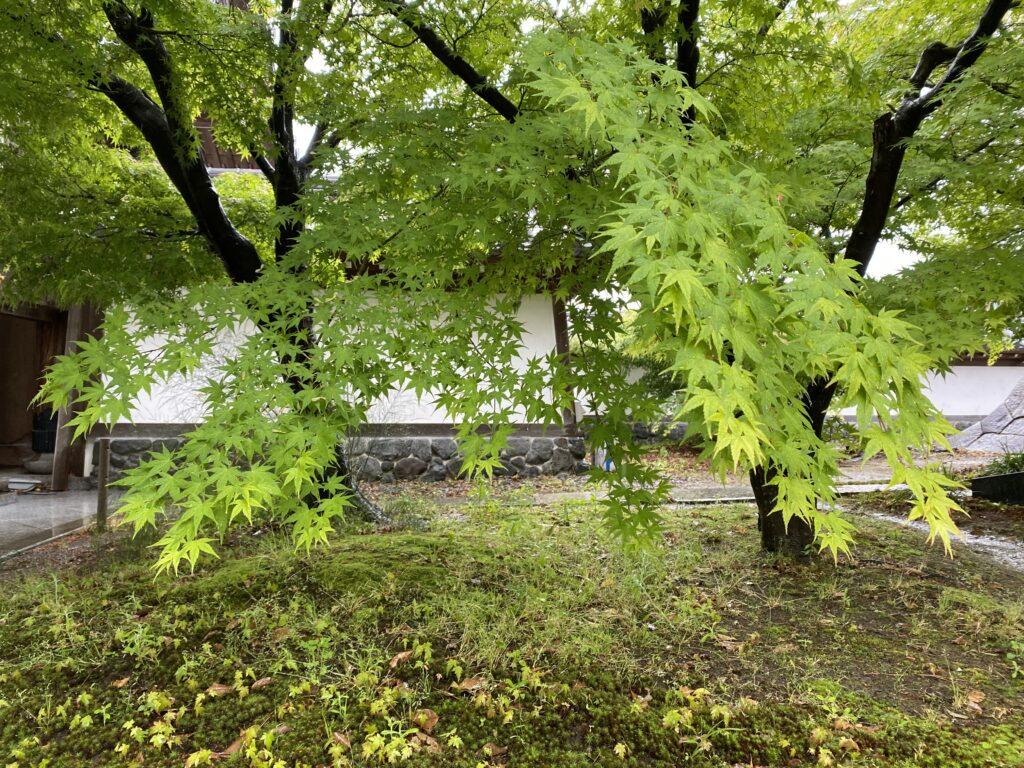
Bōshu — The Beautiful Japanese Season When Summer Begins to Arrive
Today, we would like to introduce “Bōshu” (芒種), one of Japan’s traditional seasonal periods known as the 24 Solar Terms.
Bōshu falls around June 6 through June 20 each year.
The word means:
“The season for sowing grains with awns.”
It is the time when farming activities for rice and wheat begin in earnest across Japan.
The word “nogi” (芒) refers to the thin, needle-like bristles found on the tips of rice and wheat plants.
In old Japan, people lived closely connected to nature, beginning rice planting while paying attention to the changing skies, rain, and seasonal winds.
Rice fields filled with water reflect the sky like mirrors.
The air becomes slightly humid.
Fresh green plants grow vibrantly everywhere.
There is a quiet but powerful sense of life in Japan during the season of Bōshu — different from spring, yet equally beautiful.
The Japanese Appreciation for Seasonal Living
Today, many people spend most of their time in air-conditioned rooms, and opportunities to truly feel the changing seasons may have become fewer.
But in the past, Japanese people lived in harmony with nature.
They listened to the sound of rain, felt the scent of the wind, and appreciated the changing colors of the sky.
This awareness of the seasons became deeply connected not only to food, but also to architecture, clothing, art, and tea ceremony.
Tea ceremony is not simply “a culture of drinking tea.”
It is also a culture of experiencing the beauty of nature through all five senses.
During Bōshu, the Tea Room Changes Into Summer
In tea ceremony, the tea room gradually begins changing into its summer style around May.
One of the most symbolic changes is the use of the “furo” (風炉) — a portable brazier used during the warmer months.
During winter, tea is prepared using a sunken hearth called a “ro” built into the tatami floor.
In summer, this changes to the portable furo.
This change was designed to move the heat of the charcoal farther away from guests so they could feel cooler and more comfortable.
In tea ceremony, hospitality is expressed by adapting the utensils and atmosphere to match the season.
Once the furo is introduced, the atmosphere of the tea room becomes lighter and more refreshing, gently welcoming the arrival of early summer.
Another seasonal summer practice is called “Arai Chakin” (洗い茶巾).
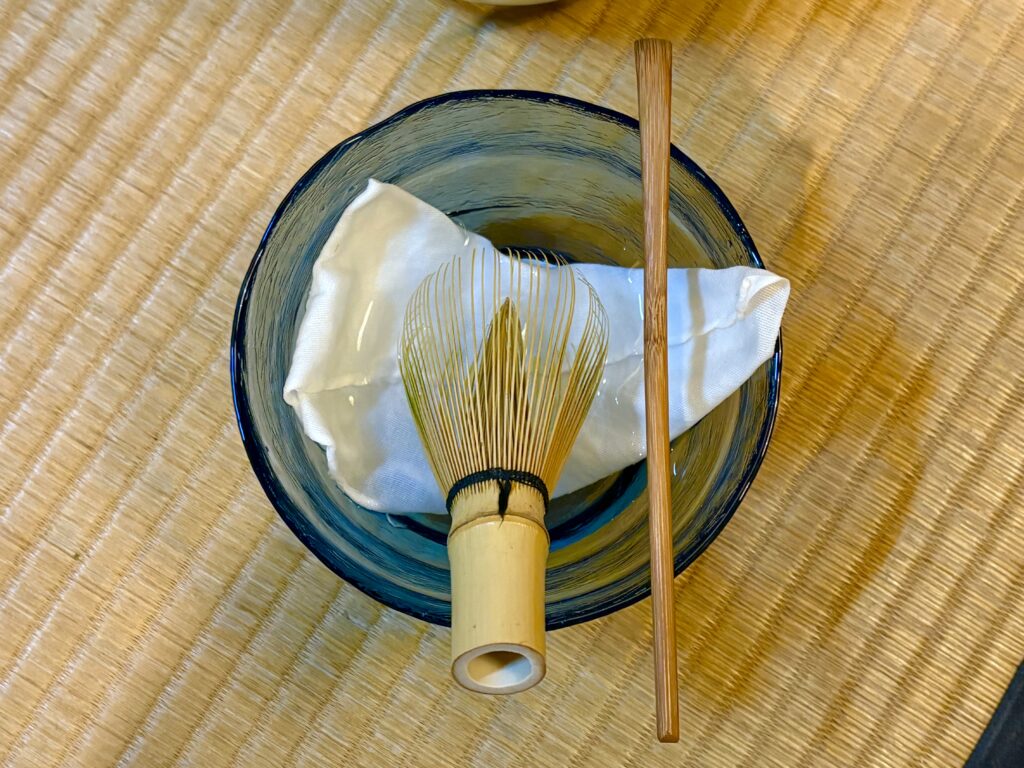
“Arai Chakin” — Enjoying the Coolness of Water
Arai Chakin is a summer tea procedure in which a tea cloth is placed inside a tea bowl filled with cool water and shown to the guest before preparing the tea.
The clarity of the water.
The cool appearance of the tea bowl.
The calm movements while handling water.
All of these express the uniquely Japanese appreciation for “coolness.”
Before air conditioning existed, Japanese people found creative ways to feel cooler through sight and sound.
For example:
- The sound of wind chimes
- Sprinkling water on the ground
- Fresh green maple leaves
- The sound of flowing rivers
- Glass bowls and dishes
Arai Chakin is one expression of this same aesthetic sensibility.
It is not simply about something being cold.
It is about creating a feeling of coolness through beauty, atmosphere, and the senses.
Tea Ceremony — A Culture of Feeling the Seasons
In tea ceremony, every element reflects the season:
- Tea bowls
- Hanging scrolls
- Flowers
- Japanese sweets
- Tea preparation styles
In June, guests may see sweets inspired by hydrangeas or tea bowls decorated with fresh green maple leaves.
Even the same tea room changes atmosphere from spring to summer, autumn, and winter.
That is one of the beautiful charms of tea ceremony.
In our busy daily lives, we often lose opportunities to slow down and notice the seasons.
But when sitting quietly in a tea room and enjoying matcha, the mind naturally becomes calm, and we begin to feel the beauty of the present moment.
Perhaps tea ceremony is not simply a tourist activity, but also a quiet moment to reconnect with ourselves.
Experience the Japanese Summer at Wasako
和茶子-wasako-
At Wasako, we value the beauty of Japan’s changing seasons and incorporate them into every tea ceremony experience.
Although located in the lively area of Asakusa, once you step into the traditional tatami room, a peaceful and gentle atmosphere surrounds you.
Inside the authentic Japanese rooms of Saryo Ichimatsu, guests can learn about tea ceremony traditions while selecting seasonal Japanese sweets and tea utensils.
You can enjoy delicious matcha and also experience preparing matcha yourself.
Our instructors carefully guide each guest step by step, making the experience enjoyable even for first-time visitors.
During the summer season, we also prepare seasonal tea bowls and Japanese sweets that help guests feel the refreshing atmosphere of summer.
芒種 ― 夏の気配を感じる、日本の美しい季節 ―
日本の季節、二十四節氣の「芒種(ぼうしゅ)」についてです。
芒種は、二十四節気のひとつで、毎年6月6日頃から6月20日頃までを指します。
「芒(のぎ)のある穀物の種をまく頃」
という意味があり、稲や麦などの農作業が本格的に始まる季節です。
「芒(のぎ)」とは、稲や麦の穂先についている、針のような細い部分のこと。
昔の日本では、自然の移ろいに合わせて田植えが始まり、人々は空や雨、風の変化を感じながら暮らしていました。
田んぼに水が入り、空を映した水面がきらきらと輝く風景。少し湿り気を帯びた風。
青々とした草木の香り。芒種の頃の日本には、春とはまた違う、静かな生命力があります。
日本人が大切にしてきた「季節を感じる暮らし」
現代では、エアコンの効いた部屋で過ごすことも増え、季節の変化を感じる機会が少なくなったかもしれません。
けれど昔の日本人は、自然とともに暮らしていました。
雨の音を聞き、風の香りを感じ、空の色の変化を楽しむ。
そして、その季節感は食事だけでなく、建築、衣服、芸術、そして茶道にも深く息づいています。
茶道は「お茶を飲む文化」というだけではありません。
その時期にしか感じられない自然の美しさを、五感で味わう文化でもあるのです。
芒種の頃、茶室は“夏”へ変わる
茶道では、5月頃から茶室のしつらえが少しずつ夏仕様へ変わっていきます。
その代表的なものが「風炉(ふろ)」です。
冬の間は「炉(ろ)」という畳の中に切られた炉を使いますが、夏になると持ち運びできる風炉へ変わります。
これは、少しでもお客様から炭を遠ざけて涼しく感じていただくための工夫。
茶道では、季節に合わせて道具や空間を変えながら、お客様をもてなします。
風炉になると、茶室の空気もどこか軽やかになり、初夏の訪れを感じられるようになります。
また、この季節には「洗い茶巾(あらいぢゃきん)」という、夏ならではのお点前も行われます。
水の涼しさを楽しむ「洗い茶巾」
洗い茶巾とは、冷たい水を張った茶碗に茶巾を入れ、お客様に見せる夏のお点前です。
水の透明感。茶碗の涼やかさ。水を扱う静かな所作。
そこには、日本人特有の“涼を楽しむ文化”が表れています。
昔の日本には、今のような冷房はありませんでした。
だからこそ人々は、
・風鈴の音
・打ち水
・青もみじ
・川のせせらぎ
・ガラスの器
など、視覚や音から“涼”を感じる工夫をしてきました。洗い茶巾もまた、その美意識のひとつです。
ただ冷たいだけではなく、「見て涼しい」「感じて涼しい」という、日本らしい感性が込められています。
茶道は、季節を味わう文化
茶道では、
・茶碗
・掛け軸
・茶花
・和菓子
・お点前
そのすべてに季節感があります。
6月頃には、紫陽花を思わせる和菓子や、青楓を描いた茶碗など、初夏を感じる道具が使われることもあります。
同じ茶室でも、春・夏・秋・冬で空気が変わる。それが茶道の魅力のひとつです。
忙しい毎日の中では、季節をゆっくり感じる時間が少なくなってしまうこともあります。
けれど、静かな茶室で抹茶をいただいていると、不思議と心が落ち着き、自然と「今の季節」を感じられるようになります。
それは、単なる観光体験ではなく、自分自身の心と向き合う時間なのかもしれません。
和茶子-wasako-で感じる、日本の夏
和茶子-wasako- では、そんな日本ならではの季節感を大切にしながら、茶道体験を行っています。
浅草という賑やかな街の中にありながら、一歩和室へ入ると、そこには静かで穏やかな時間が流れています。
茶寮一松の本格的な和室で、茶道について説明を聞きながら、お好きな和菓子やお茶道具を選び、
美味しい抹茶を楽しみ、ご自身でも抹茶を点てていただきます。
初めて茶道を体験される方でも安心して楽しめるよう、インストラクターが丁寧にご案内しています。
夏の時期には、涼しさを感じる茶碗や、季節の和菓子など、夏らしいしつらえをご用意しています。
芒種の季節に、日本文化の豊かさを感じてみませんか?
芒種は、自然が大きく動き始める季節。
雨も増え、夏の気配が少しずつ近づいてきます。
そんな季節に、静かな茶室でお茶を味わいながら、日本人が昔から大切にしてきた“季節を感じる心”に触れてみませんか?
風炉の涼やかな佇まい。洗い茶巾の水の美しさ。抹茶の香りと、和菓子のやさしい甘さ。
そこには、日本文化ならではの繊細なおもてなしと、美しい四季の感覚があります。
浅草を訪れた際には、ぜひ和茶子-wasako-で、季節を味わう豊かなひとときをお過ごしください。
皆さまのお越しを、心よりお待ちしております。
When it comes to tea ceremony experiences and matcha in Tokyo, Wasako is the place to go.
東京で茶道体験・抹茶といえば和茶子-wasako-の茶室