With Wasako’s 60-minute plan, you can learn how to make delicious matcha in a one-on-one session with an instructor.
wasakoの60分プランにて、あなたはインストラクターから1対1で、美味しい抹茶の作り方を教わることができます。
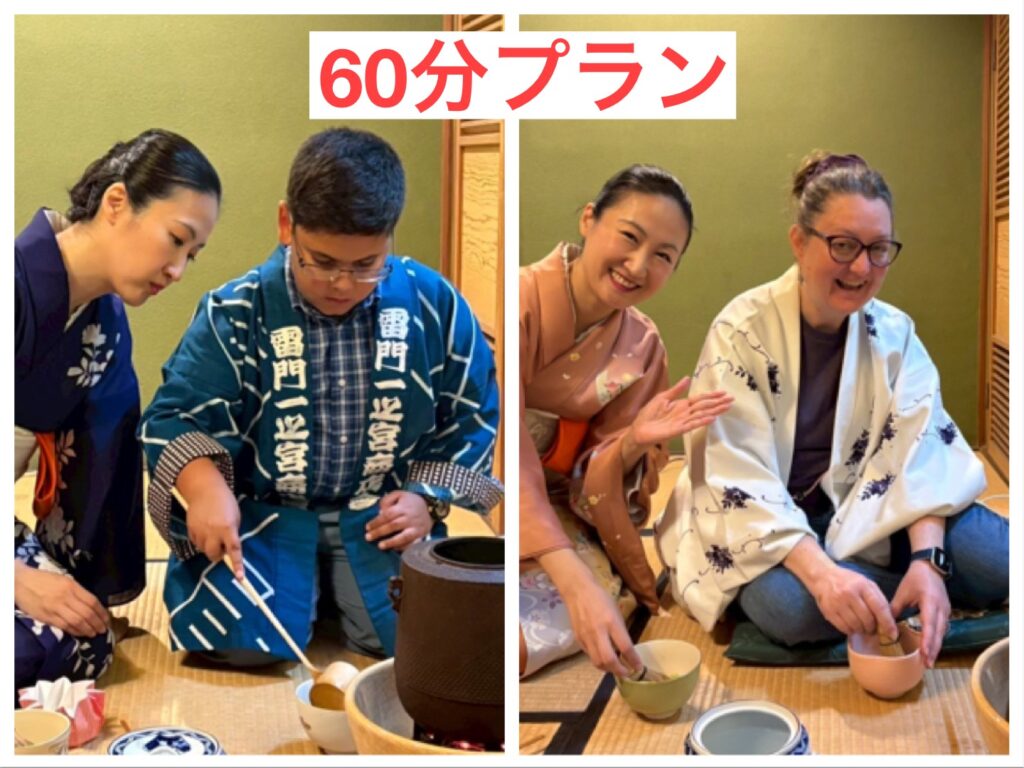
With Wasako’s 60-minute plan, you can learn how to make delicious matcha in a one-on-one session with an instructor.
wasakoの60分プランにて、あなたはインストラクターから1対1で、美味しい抹茶の作り方を教わることができます。
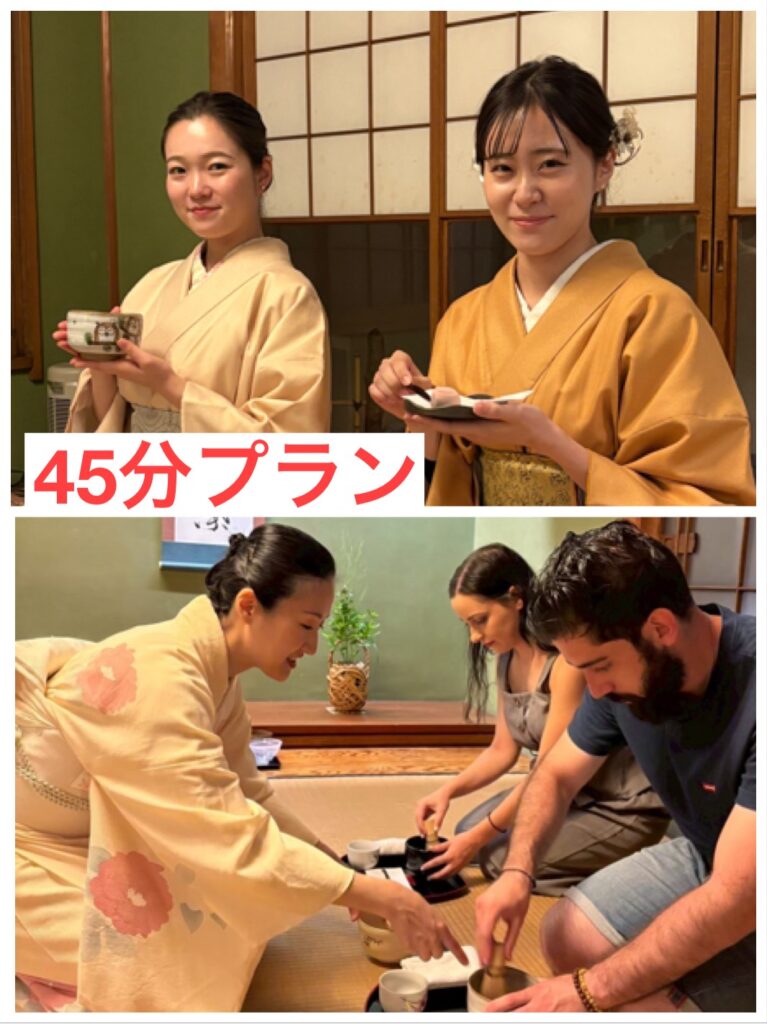
With Wasako’s 45-minute plan, you can enjoy matcha and Japanese sweets while learning how to prepare delicious matcha.
wasakoの45分プランにて、あなたは抹茶と和菓子を食べ、美味しい抹茶の作り方を教わることができます。
They came from Madagascar and enjoyed a tea ceremony experience.
彼らはマダガスカルから来て、茶道体験をなさいました。
Wasako’s tea ceremony experience is held in a room at Charyo-Ichimatsu, established in 1952.
It’s a truly lovely building, so please come visit.
和茶子-wasako-の茶道体験は、昭和27年創業の茶寮一松の一部屋にて開催しています。
とても素敵な建物なので、ぜひいらしてくださいね。
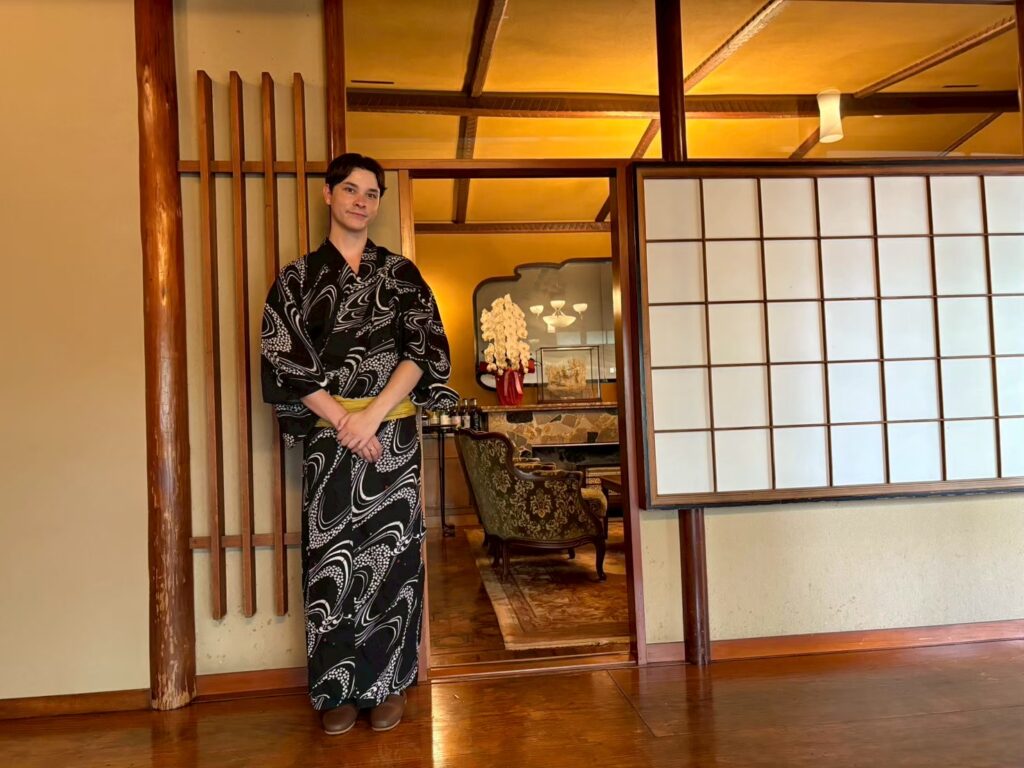
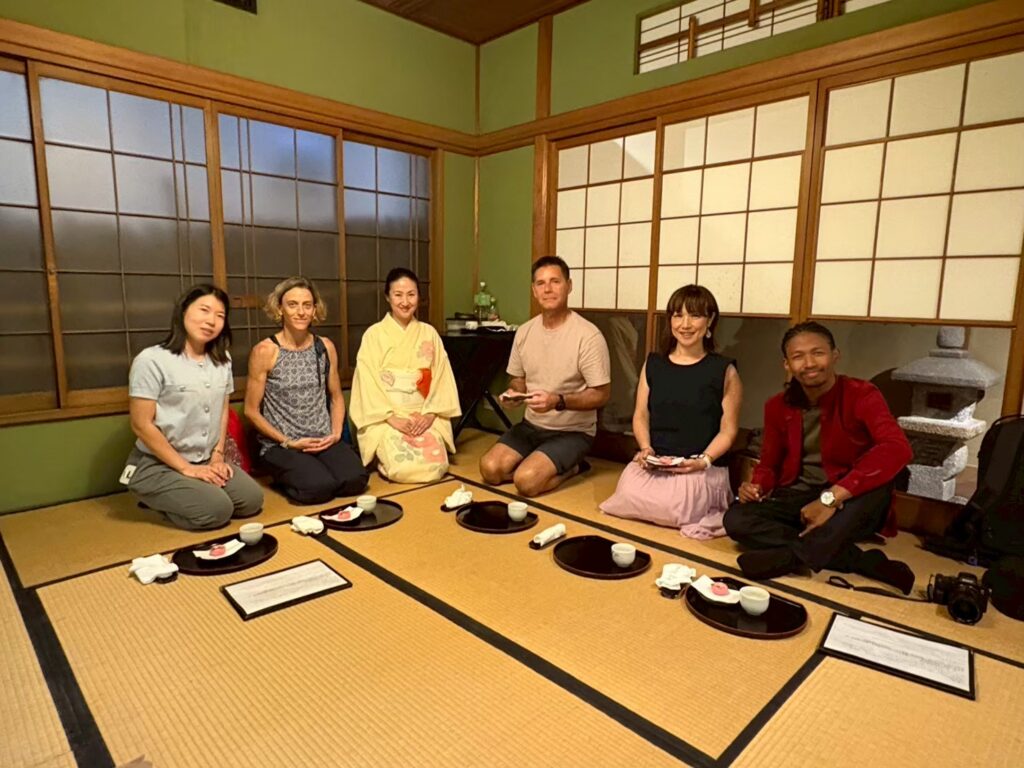
They came from Indonesia and enjoyed a tea ceremony experience.
インドネシアからお越しのお客様、茶道体験を楽しまれました。
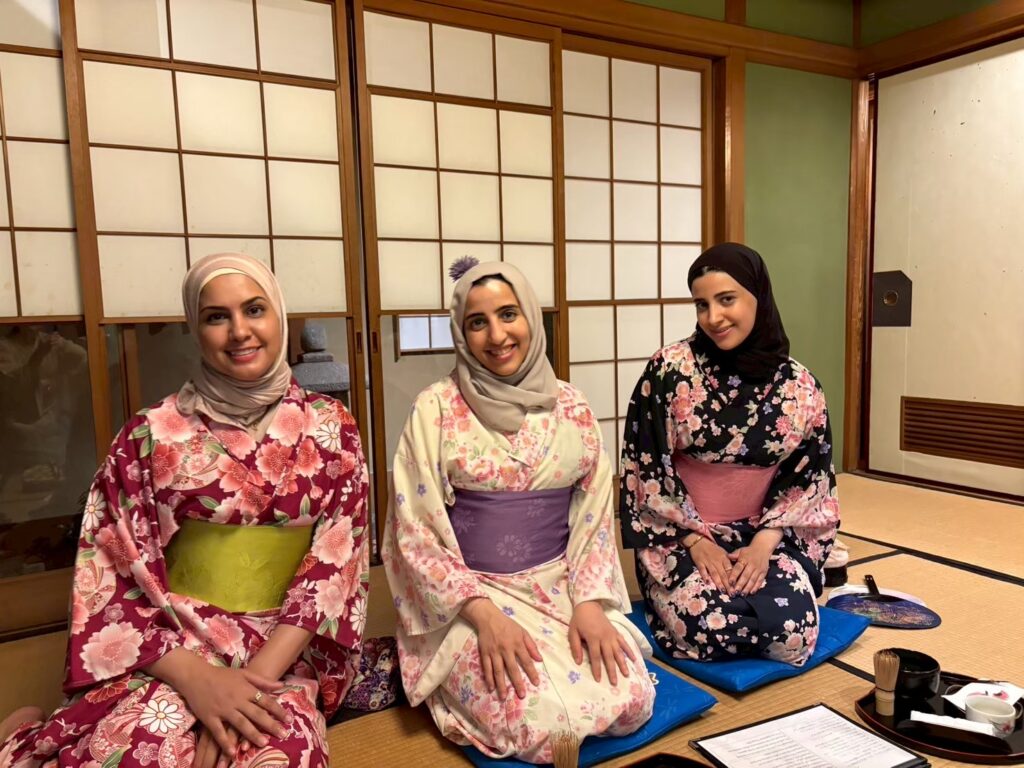
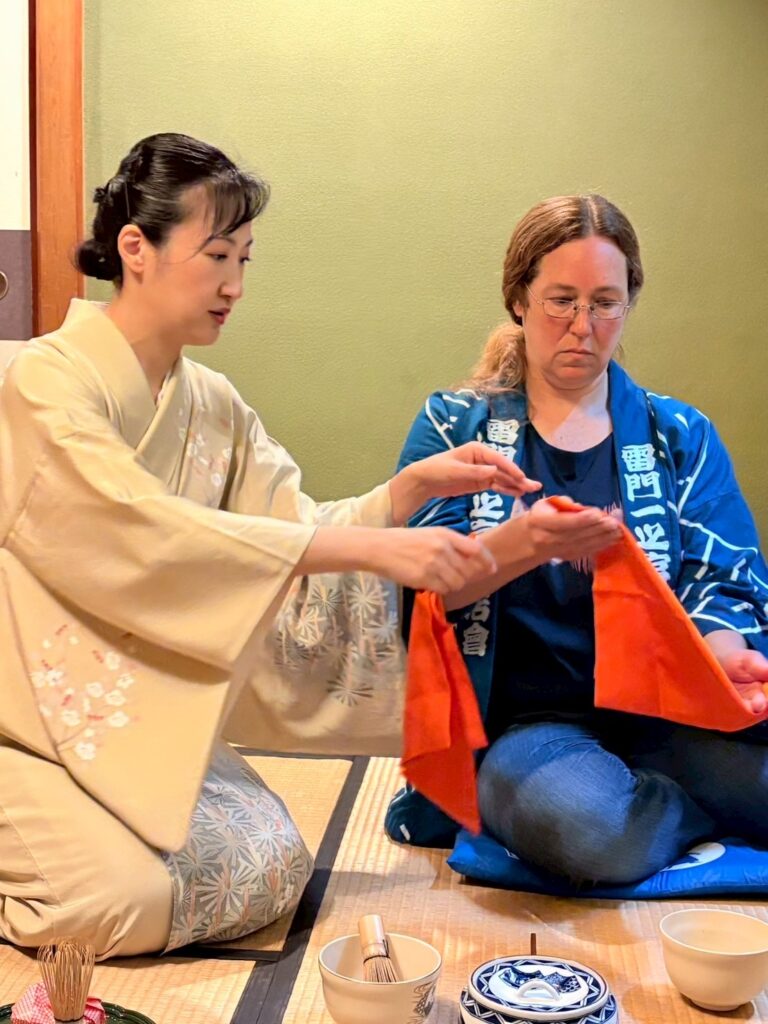
Wasako’s 60-minute and 90-minute tea ceremony experience plans offer one-on-one instruction from an instructor.
wasakoの茶道体験の60分と90分のプランでは、インストラクターから1対1で茶道を習うことができます。
You can take plenty of photos during your tea ceremony experience.
茶道体験中、あなたはたくさんの写真を撮ることができます。
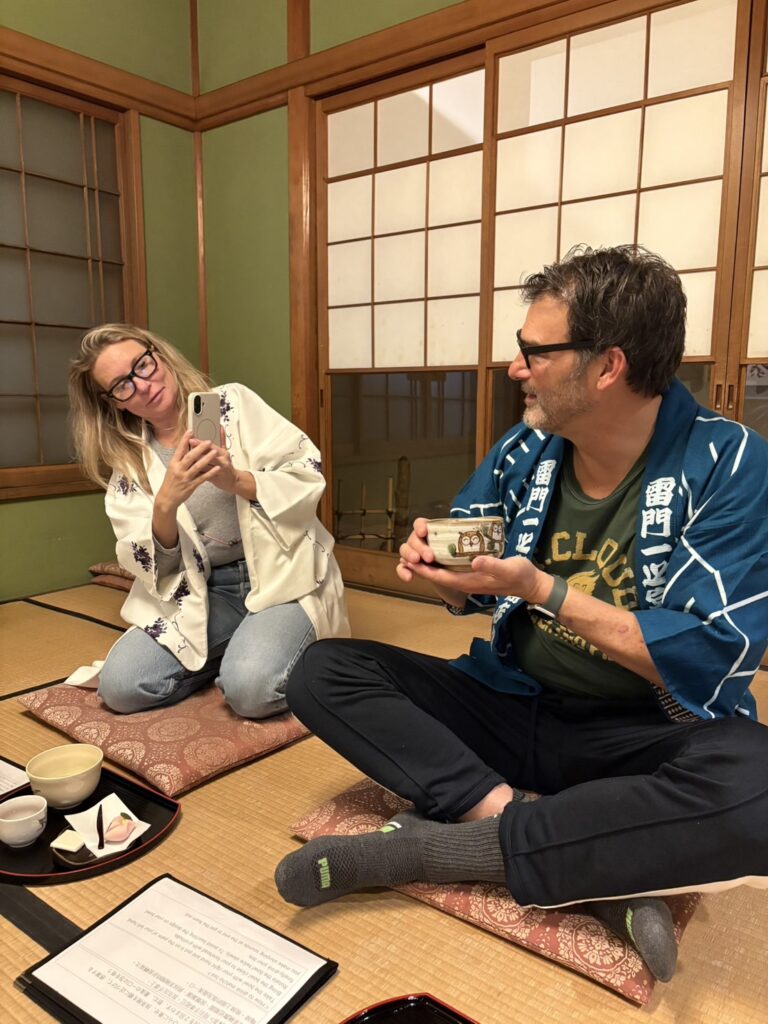
You can experience the tea ceremony in a Japanese-style room.
あなたは和室で茶道体験をすることができます。
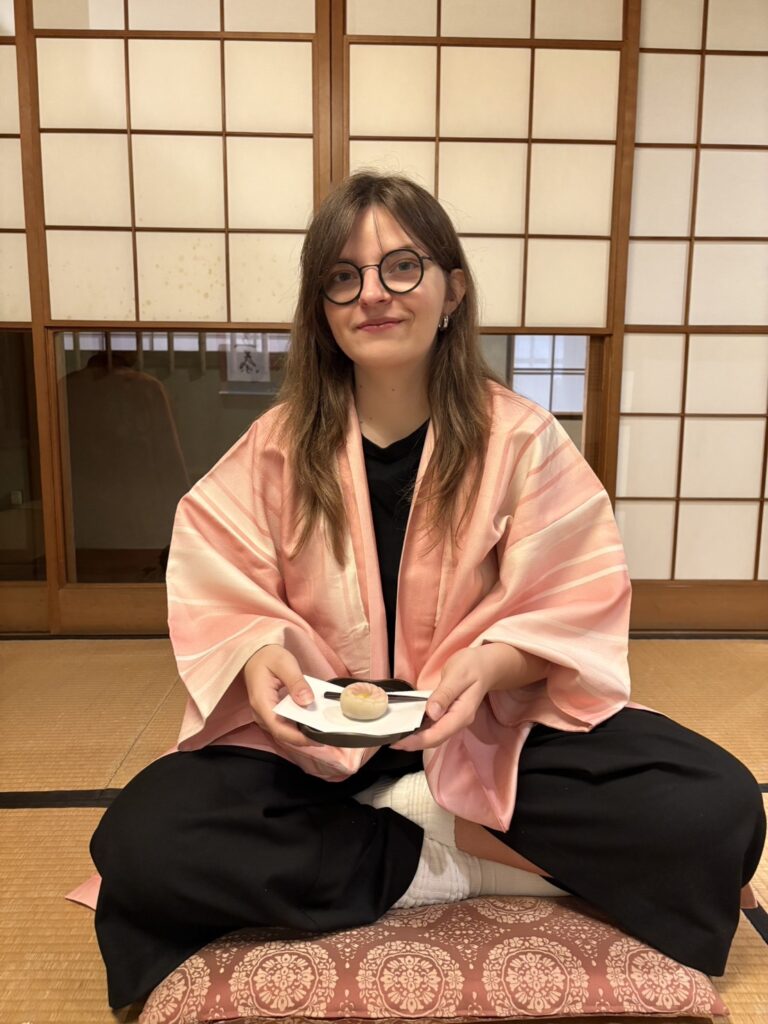
They came from Mexico and enjoyed a tea ceremony experience.
メキシコからお越しのお客様、茶道体験をお楽しみいただきました。
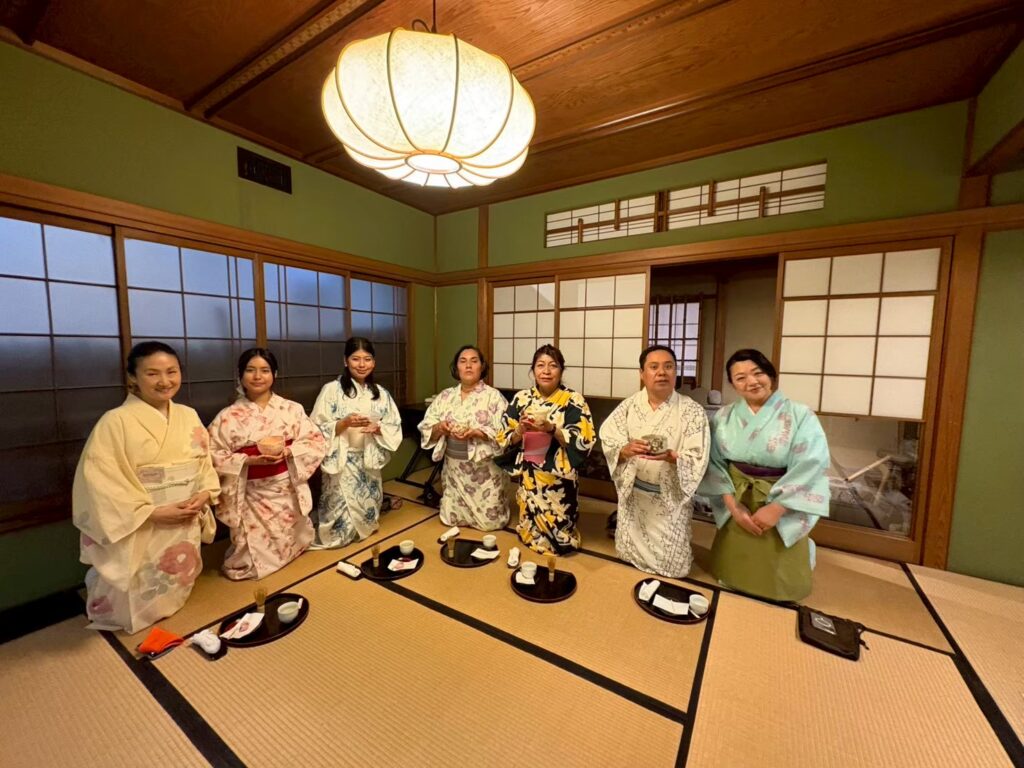
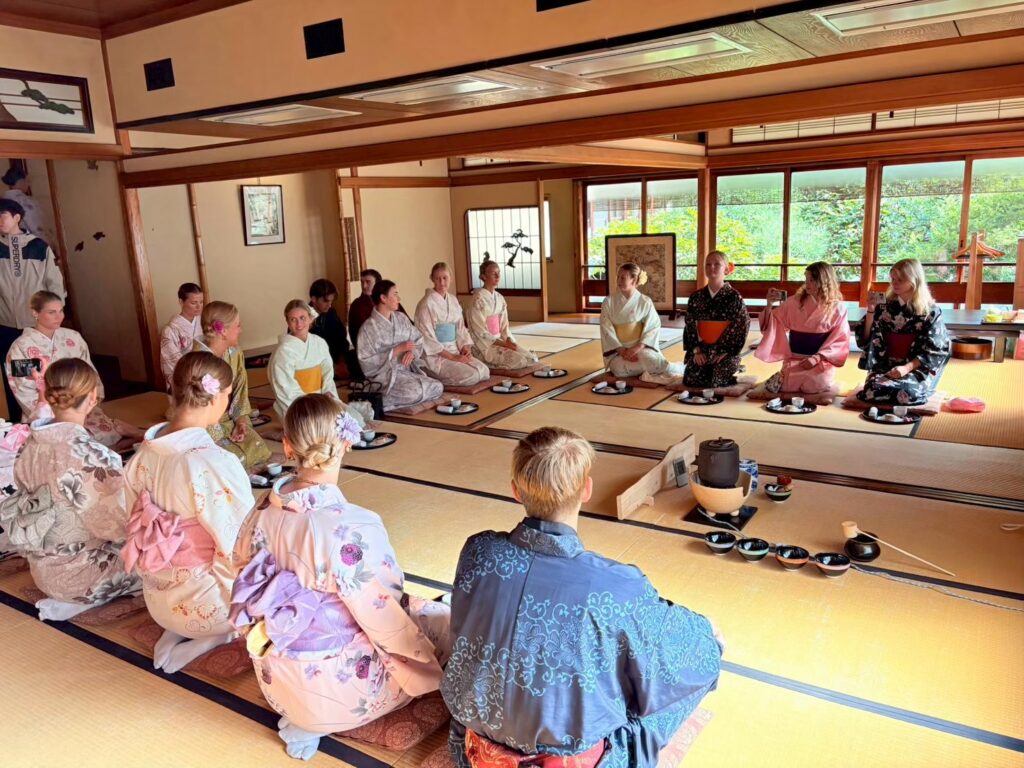
They came in large numbers from Denmark.
デンマークから団体のお客様にお越しいただきました。