


Summer Solstice — Discovering the Beauty of Japanese “Coolness” During the Longest Days of the Year
June 21 marks the Japanese seasonal period known as “Geshi” (夏至), or the Summer Solstice — the day with the longest daylight hours of the year.
It is the season when we begin to truly feel the arrival of summer.
During this time of year, the mornings become bright very early, and even in the evening, sunlight still lingers softly in the sky.
In Japan, however, this season also overlaps with the rainy season.
So rather than enjoying strong sunshine like in many parts of Europe, Japanese people experience the quiet approach of summer through soft humidity, gentle rain, and calm seasonal beauty.
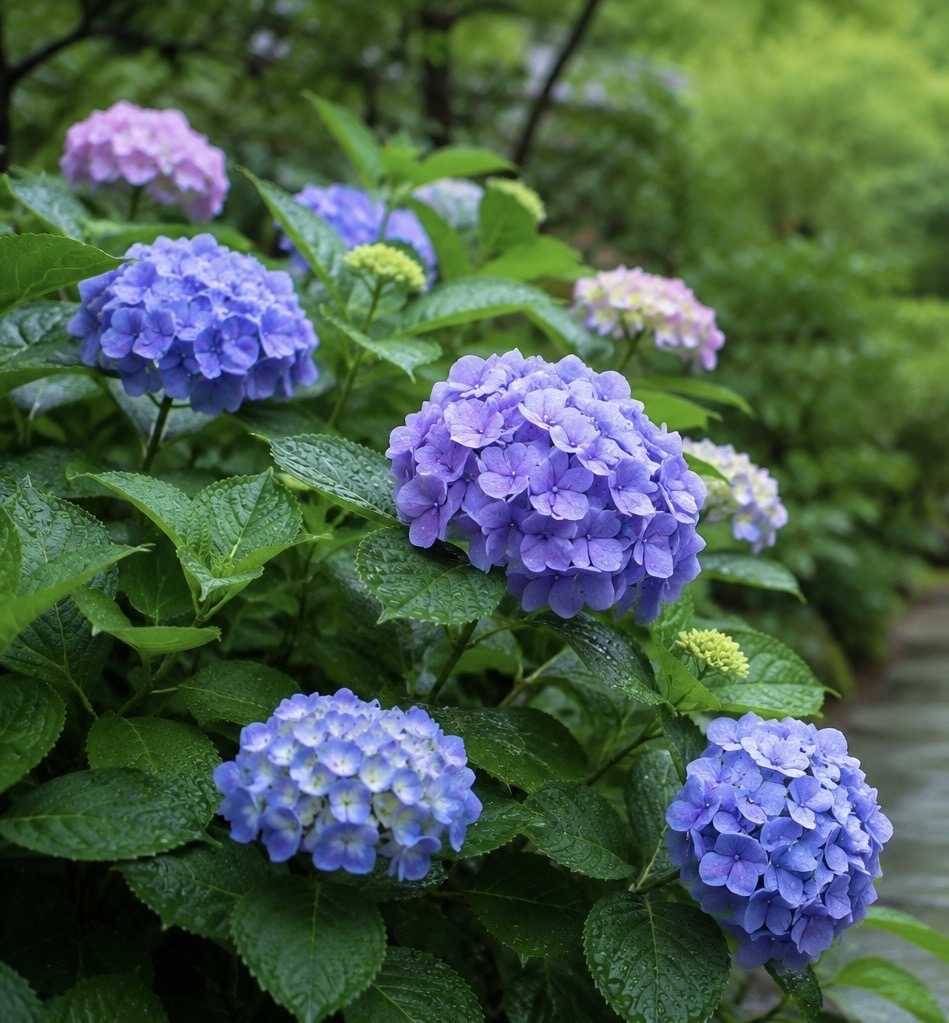
Hydrangeas bloom beautifully.
Fresh green maple leaves sway in the breeze.
The air after the rain feels peaceful and still.
A gentle wind carries the moisture of early summer.
There is a quiet and delicate beauty in Japan during the Summer Solstice season — not flashy, but deeply atmospheric.
Japan’s summers are hot and humid, and in the past, people lived without modern air conditioning.
Because of this, Japanese people developed many creative ways to make summer feel more comfortable and refreshing.
For example:
- Sprinkling water on the ground (uchimizu)
- Bamboo blinds (sudare)
- Wind chimes (furin)
- Wearing light summer yukata
- Using clear glass bowls and dishes
These traditions created a culture of enjoying a feeling of “coolness” through sight, sound, and atmosphere.
Sprinkling water outside creates cooler air.
Bamboo blinds allow the breeze to pass through gently.
Wind chimes create soft, refreshing sounds.
Glass bowls visually feel cool and light.
And summer yukata look airy and comfortable.
Rather than simply cooling the body, Japanese culture values creating an atmosphere that feels cool.
This reflects the uniquely Japanese sensitivity that developed through living closely with nature.
In the world of tea ceremony, the tea room also changes into its summer style around the time of the Summer Solstice.
Seasonal summer elements include:
- Using a portable brazier called a furo
- Using wide, shallow tea bowls that feel visually cool
- Performing the summer tea procedure called Arai Chakin
- Decorating the tea room with green maple leaves and seasonal summer flowers
All of these create a refreshing feeling through visual beauty and atmosphere.
During winter, tea is prepared using a sunken hearth called a ro, built into the tatami floor.
In summer, this changes to the portable furo.
This was designed to move the charcoal heat slightly farther away from guests so they could feel more comfortable during the warmer months.
Tea ceremony expresses hospitality by changing the utensils and atmosphere according to the season.
Another beautiful summer practice is called “Arai Chakin”.
In this tea procedure, cool water is placed inside the tea bowl before preparing the tea, allowing guests to appreciate the transparency of the water and the refreshing feeling it creates.
The wide shape of summer tea bowls also gives a visual sense of coolness.
Fresh green maple leaves and seasonal flowers placed inside the tea room quietly express the beauty of nature during early summer.
A tea room is not simply a place to drink matcha.
It is a space where people can experience the atmosphere, beauty, and seasonal feeling of that exact moment through all five senses.
At 和茶子-wasako-, we also value the beauty of the seasons and incorporate them into every tea ceremony experience.
Although located in the lively area of Asakusa, once you step into the traditional Japanese room, a quiet and peaceful atmosphere surrounds you.
Inside the authentic tatami rooms of 茶寮一松Charyo Ichimatsu, guests can learn about tea ceremony while choosing seasonal Japanese sweets and tea utensils, enjoying delicious matcha, and experiencing how to prepare matcha themselves.
Our instructors carefully guide each guest step by step, so even first-time visitors can relax and enjoy the experience.
If you visit Asakusa, we warmly invite you to experience the beauty of early summer at Wasako — from refreshing tea bowls and seasonal sweets to the fresh greenery in the garden of 茶寮一松Charyo Ichimatsu.
We sincerely look forward to welcoming you.
夏至 ― 長い昼の時間に感じる、日本の“涼”の美しさ ―
6月21日は二十四節氣で「夏至(げし)」、1年の中で最も昼の時間が長くなる日のことです。
本格的な夏の始まりを感じる季節です。
朝は早くから明るく、夕方になっても空に光が残るこの時期。
日本ではちょうど梅雨の季節とも重なるため、ヨーロッパのように強い日差しを楽しむというよりも、しっとりとした空気の中で、少しずつ近づく夏を感じる季節でもあります。
紫陽花が美しく咲き、青もみじが風に揺れる景色。
雨上がりの静かな空気。
湿度を含んだやわらかな風。
夏至の頃の日本には、派手さではなく、静かで繊細な美しさがあります。
日本の夏は、高温多湿。昔の日本には、今のような冷房設備はありませんでした。
だからこそ日本人は、暑い夏を少しでも心地よく過ごせるよう、昔から打ち水・すだれ・風鈴・浴衣などの薄着へ着替えるなどの工夫をして、見た目や音から“涼”を楽しむ文化が生まれました。
庭に水を撒くことで、少しひんやりとした空気を感じる打ち水。
風が通り抜ける音を楽しむすだれ。
風鈴の澄んだ音色。
透明感のあるガラスの器。
そして、見た目にも軽やかな浴衣。
日本人は単に「冷やす」のではなく、“涼しく感じる工夫”を大切にしてきたのです。
そこには、自然とともに暮らしてきた日本人らしい感性があります。
茶道の世界でも、夏至の頃になると茶室は本格的な夏のしつらえへ変わっていきます。
風炉(ふろ)・平茶碗など涼しげな茶碗・洗い茶巾を行う・青もみじや夏の茶花を飾る
など、視覚や空気感から涼しさを感じられる工夫が取り入れられます。
冬の間は、畳の中に切られた「炉(ろ)」を使いますが、夏になると持ち運び式の「風炉」へ変わります。
これは、お客様から炭を少し遠ざけることで、少しでも涼しく感じていただくための工夫。
茶道では、季節によって道具や空間を変えながら、お客様をおもてなしします。
また、夏に行われる「洗い茶巾(あらいぢゃきん)」のお点前では、冷たい水を張った茶碗を使い、水の透明感や涼やかな雰囲気を楽しみます。
平茶碗の広がりある形も、見た目に涼しさを感じさせてくれます。
さらに、茶室には青もみじや夏の茶花が飾られ、自然の季節感がそっと表現されています。
茶室は単に抹茶を飲むだけの場所ではありません。
その季節にしか感じられない空気や美しさを、五感で味わう文化があります。
和茶子-wasako- の茶室においても、季節感を大切にした茶道体験をご提供しています。
浅草の賑やかな街並みを抜け、一歩和室へ入ると、そこには静かで穏やかな時間が流れています。
茶寮一松の本格的な和室で、茶道について説明を聞きながら、お好きな和菓子やお茶道具を選び、美味しい抹茶を楽しみ、ご自身でも抹茶を点てていただきます。
初めて茶道を体験される方でも安心して楽しめるよう、インストラクターが丁寧にご案内しています。
浅草を訪れた際には、ぜひ和茶子-wasako-の、涼しさを感じる茶碗や、和菓子、茶寮一松のお庭の新緑など、初夏らしい設えを体験しにいらしてください。
皆さまのお越しを、心よりお待ちしております。
When it comes to tea ceremony experiences and matcha in Tokyo, Wasako is the place to go.
東京で茶道体験・抹茶といえば和茶子-wasako-の茶室