Hello, this is the staff from Wasako – Japanese Tea Experience in Asakusa.
As the weather gradually warms and the scenery shifts from spring to early summer, we’d love to share a story about one of Japan’s beloved seasonal traditions—Children’s Day on May 5th, also known as Tango no Sekku. Along the way, we hope to give you a glimpse into the beauty of Japanese culture and invite you to experience it for yourself.
◆ What is Tango no Sekku?
May 5th is known as “Tango no Sekku,” a traditional event originally introduced from China. It became part of Japanese court culture during the Nara period and later evolved within samurai society into a day to wish for the healthy growth and success of boys. Today, it is celebrated nationwide as “Children’s Day,” a public holiday for all children.
Around this time of year, you’ll often see colorful carp streamers—called “koinobori”—flying in the sky. In Japanese folklore, carp are known for their strength and determination, as they are said to swim upstream and transform into dragons. These streamers symbolize the hope that children will grow up strong and overcome life’s challenges.
Inside homes, families display “samurai helmets” (kabuto) and warrior dolls. These items represent protection, strength, and the wish for children to grow up healthy and resilient. Each decoration carries deep meaning, reflecting the richness of Japanese tradition.
◆ A Samurai Helmet That Captivated the World
In recent years, the kabuto helmet gained unexpected global attention through sports.
When Shohei Ohtani hits a home run in Major League Baseball, he and his teammates sometimes celebrate by placing a samurai-style helmet on his head in the dugout. This performance quickly went viral and captured the hearts of fans around the world.
The kabuto, inspired by traditional samurai armor, symbolizes strength, courage, and the spirit of the warrior. Seeing it embraced in a modern sports setting introduced many international fans to a piece of Japanese culture in a fun and memorable way.
Originally, kabuto helmets were designed to protect warriors in battle, but they also represented honor and identity. This is why they are displayed on Children’s Day—to express the hope that children will grow up strong and protected.
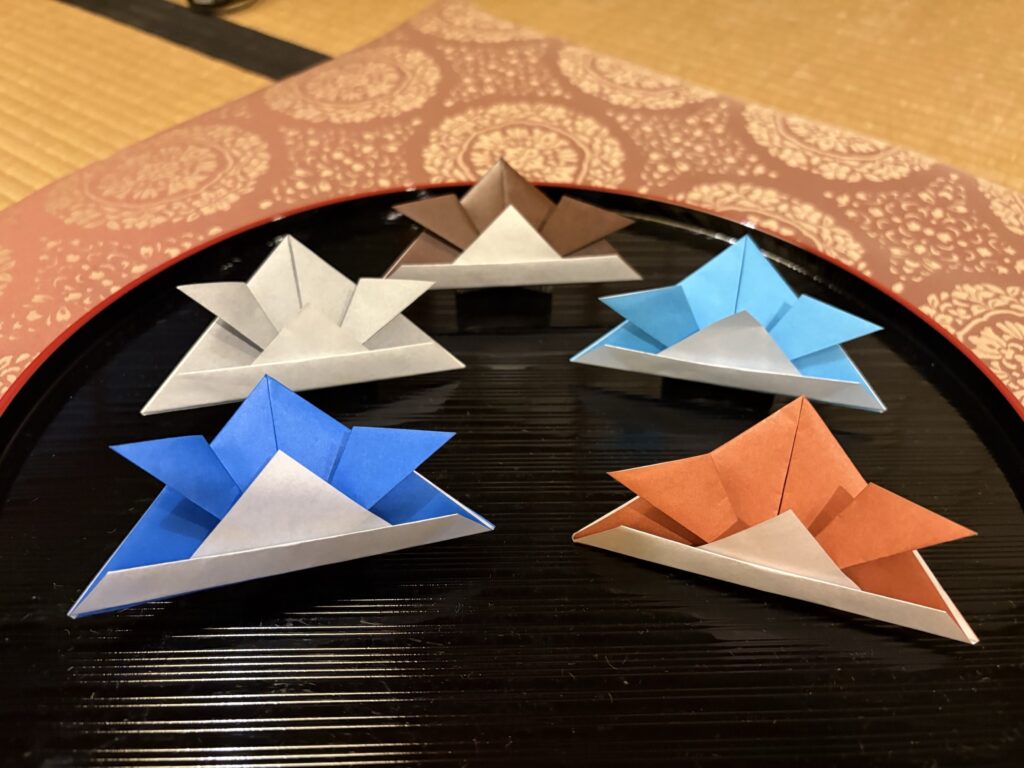
The attached image shows an origami helmet. It’s small and very cute.
◆ Traditional Foods for the Season
Two special treats are commonly enjoyed on this day: “kashiwa mochi” and “chimaki.”
Kashiwa mochi is a rice cake filled with sweet red bean paste and wrapped in an oak leaf. The oak leaf is symbolic because it does not fall off until new leaves grow, representing family continuity and prosperity.
Chimaki, on the other hand, comes from Chinese tradition and is associated with protection from evil. The flavors and styles vary depending on the region, making it an interesting cultural experience.
Enjoying these seasonal sweets is a wonderful way to feel connected to the time of year.
◆ Tea Ceremony and Seasonal Traditions
In the world of tea ceremony, seasonal awareness is essential. During May, tea gatherings often incorporate elements related to Tango no Sekku.
You might see seasonal flowers such as iris, which symbolize strength, or scrolls with words associated with “shobu” (which can mean both iris and martial spirit). These subtle touches reflect the refined aesthetic and playful sensitivity found in Japanese culture.
Most importantly, the tea room offers a peaceful escape from daily life. The aroma of matcha, the quiet atmosphere, and the graceful movements all come together to create a calming and mindful experience.
◆ Experience Japanese Culture in Asakusa
Asakusa is a district rich in history and culture. While it is well known as a tourist destination, it is also one of the best places to experience traditional Japanese arts firsthand.
At Wasako, we offer a welcoming and accessible tea ceremony experience for everyone—even if it’s your first time.
You might think, “Tea ceremony looks difficult,” or “Sitting on the floor might be uncomfortable.” But don’t worry. We guide you step by step in a relaxed and friendly way.
Rather than focusing on perfect etiquette, we want you to simply enjoy the moment and the experience of tea.
Preparing your own matcha and enjoying it with seasonal sweets will surely become a special memory of your time in Japan.
◆ A Special Experience for Children’s Day Season
May is one of the most beautiful times of the year in Japan, with fresh greenery and pleasant weather. Why not take this opportunity to experience a traditional seasonal celebration through tea?
At Wasako, we value the beauty of each season and reflect it in our hospitality. Depending on the time, you may enjoy sweets and decorations inspired by Tango no Sekku, allowing you to fully immerse yourself in the atmosphere.
Whether you are traveling with family, friends, or exploring Japanese culture on your own, we invite you to spend a peaceful and meaningful moment with us.
We look forward to welcoming you to Wasako.
Come and experience the beauty of Japanese tradition, one bowl of tea at a time.
こんにちは、和茶子-wasako-スタッフです。
少しずつ暖かくなり、街の景色も春から初夏へと移り変わる頃となりました。今回は、5月5日の「端午の節句」についてご紹介しながら、日本の伝統文化の魅力を感じていただけるお話をお届けします。
◆端午の節句ってどんな日?
5月5日は「端午の節句」。もともとは中国から伝わった厄払いの行事で、日本では奈良時代頃から宮中行事として親しまれてきました。その後、武家社会の中で「男の子の健やかな成長と出世を願う日」として定着し、現在では「こどもの日」として祝日にもなっています。
この日になると、青空に元気よく泳ぐ「鯉のぼり」を目にすることが多くなりますよね。鯉は滝を登って龍になるという伝説から、「困難に負けず立身出世する象徴」とされています。風を受けて力強く泳ぐ姿には、子どもたちの未来への願いが込められているのです。
また、家の中には「五月人形」や「兜」が飾られます。これらには、災いから身を守り、たくましく成長してほしいという想いが込められています。一つひとつの飾りに意味があるのも、日本文化の奥深さを感じるポイントですね。
◆世界が注目した「兜」の魅力
実はこの「兜」、近年では思わぬ形で世界中の注目を集めました。
メジャーリーグで活躍する大谷翔平選手が、ホームランを打った際にベンチで兜をかぶるパフォーマンスを披露し、大きな話題となったのをご存じでしょうか?
日本の伝統的な兜をモチーフにしたこの演出は、「サムライスピリット」を感じさせる象徴として、海外のファンにも強い印象を与えました。ニュースやSNSでも広く取り上げられ、「兜=日本文化の象徴」として改めて注目されるきっかけとなったのです。
もともと兜は、身を守るための防具であると同時に、武士の誇りや精神性を表す大切な存在でした。端午の節句に兜を飾るのも、「強く、たくましく生きてほしい」という願いが込められているからです。
現代のスポーツの舞台で、その精神が楽しく表現されているのは、とても素敵なことですよね。
添付の画像は折り紙の兜です。小さくてとても可愛いです。
◆端午の節句の食べ物
この日に欠かせないのが「柏餅」と「ちまき」です。
柏餅は、柏の葉で包まれたお餅。柏の葉は新芽が出るまで古い葉が落ちないことから、「家系が途絶えない=子孫繁栄」を意味しています。もちもちとした食感と優しい甘さは、どこか懐かしい気持ちにさせてくれます。
一方、ちまきは中国由来の食べ物で、厄除けの意味があります。地域によって味や形が違うのも面白いところです。
こうした季節の和菓子を味わうことで、より一層「今」という季節を感じることができますね。
◆茶道と端午の節句
茶道の世界でも、季節の行事はとても大切にされています。5月の茶席では、端午の節句にちなんだ掛け軸やお花、和菓子が用意されることがあります。
例えば、力強さを感じる菖蒲(しょうぶ)や、初夏らしい爽やかな草花が生けられたり、「尚武(しょうぶ)」に通じる言葉遊びが取り入れられたり。細やかな演出の中に、日本人の美意識や遊び心が感じられるのが魅力です。
そして何より、茶室の中でゆったりと過ごす時間は、日常の忙しさを忘れさせてくれる特別なひととき。お抹茶の香りや、静かな空間、丁寧な所作に触れることで、心がすっと整っていく感覚を味わえます。
◆浅草で楽しむ、日本の伝統文化
歴史と文化が息づく街・浅草。観光地としても人気ですが、実は「日本文化を体験する場所」としてもとても魅力的です。
和茶子-wasako-では、そんな浅草の中で、気軽に茶道体験を楽しんでいただけます。
「茶道って難しそう…」「正座が大変そう…」そんなイメージをお持ちの方もいらっしゃるかもしれません。でもご安心ください。和茶子-wasako-では、初めての方でもリラックスして楽しめるよう、わかりやすく丁寧にご案内しています。
作法を完璧に覚えることよりも、「お茶を楽しむ心」を大切にしていただければ大丈夫です。
季節に合わせた和菓子とともに、自分で点てたお抹茶を味わう時間は、きっと特別な思い出になるはずです。
◆端午の節句に、特別な体験を
5月は新緑が美しく、外を歩くだけでも気持ちの良い季節です。そんな時期に、日本の伝統行事である端午の節句を感じながら、茶道体験をしてみませんか?
和茶子-wasako-では、季節感を大切にしたおもてなしで、皆さまをお迎えしています。端午の節句にちなんだ和菓子やしつらえをご用意することもあり、その時期ならではの雰囲気をお楽しみいただけます。
ご家族での思い出づくりに。ご友人との特別な時間に。そして、日本文化に触れてみたいという方にも。
日常を少し離れて、静かな時間の中で自分と向き合うひとときを、ぜひ体験してみてください。
スタッフ一同、皆さまのお越しを心よりお待ちしております。
和茶子-wasako-で、季節とともにある美しい時間を一緒に楽しみましょう。
When it comes to tea ceremony experiences and matcha in Tokyo, Wasako is the place to go.
東京で茶道体験といえば和茶子-wasako-